
What is StormNode built with?
StormNode is being developed as a practical field node for the Planetnik network: it detects storm activity, collects environmental data, provides GNSS/GPS location context, captures sky images and sends telemetry to the project panel.

The main prototype board: Wi‑Fi/Bluetooth, OV2640 camera, firmware logic, photo handling, HTTPS upload and telemetry.

A lightning sensor used to detect local storm activity, estimated distance and raw lightning signal strength.

Environmental sensor for temperature, humidity and pressure. It adds weather context to storm events.
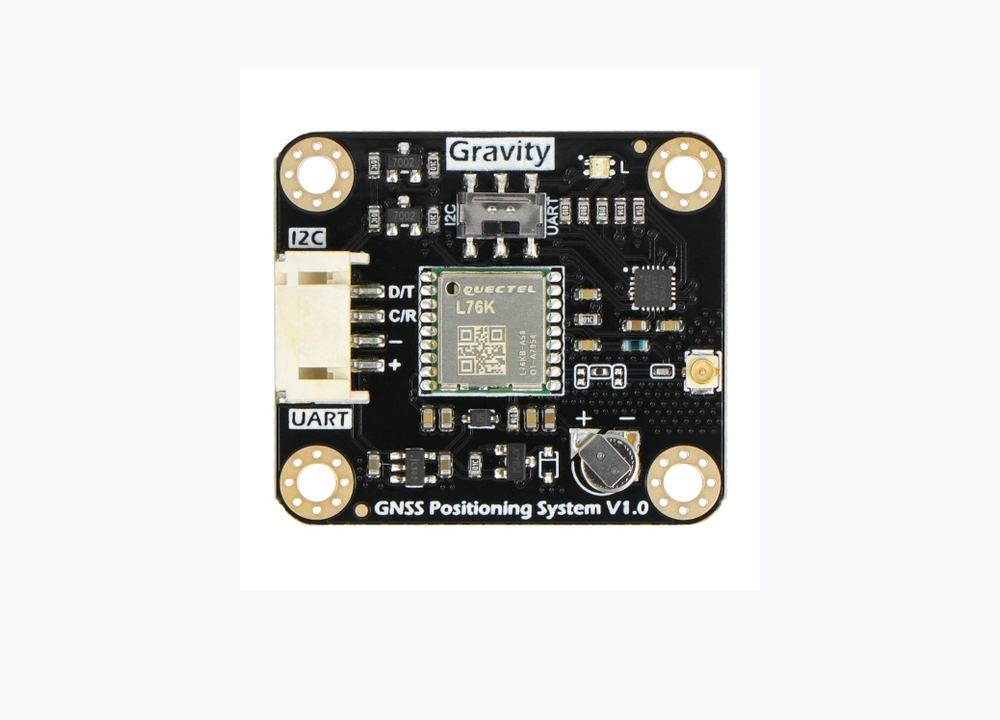
A Gravity GNSS GPS BeiDou receiver module supporting I2C/UART communication. In StormNode it provides location data, time context and support for synchronization and correlation in clusters.
Product photos and baseline hardware information for selected boards are based on public DFRobot materials: FireBeetle 2 ESP32-S3-U, Gravity Lightning Distance Sensor, Gravity I2C BME280. The GNSS/GPS module photo is based on public Botland product materials for DFRobot TEL0157.
Firmware and AI-assisted coding
The firmware and project tools are developed iteratively, also with support from an AI language model. AI helps with code analysis, refactoring, documentation, API design and concept work.
Technical decisions, hardware testing and final deployments remain under project control. AI is a supporting tool — not an autopilot.
Custom StormNode panel
We are also developing our own StormNode panel: events, photos, measurements, device status, history and archived data. The panel will become the basis for observing the Planetnik network and exposing data through the API.
Hosting and server backend
The project has its own hosting backend based on dedicated servers and Linux systems, including Rocky Linux and openSUSE. This allows us to develop the API, panel, database, event archive and monitoring components without relying on a ready-made SaaS platform.
Infrastructure as Code
The infrastructure is being developed with an Infrastructure as Code mindset: server, service and automation configuration should be repeatable, code-described and easy to rebuild.
Technology for local nowcasting
StormNode data is designed to support future local nowcasting: analysis of current weather signals, telemetry trends, sky images and events detected by node clusters.
Technologies, tools and environment
Planetnik uses popular hardware, software and infrastructure technologies. The list below describes the project environment without suggesting partnership, certification or formal cooperation with the owners of the named brands.
Hardware and prototyping
Sensor modules and development boards used in StormNode prototypes.
The main StormNode device platform with Wi‑Fi, camera and C++ firmware.
Prototyping environment and libraries compatible with the Arduino ecosystem.
Node location plus time and synchronization context for clustered data.
3D design and printing
3D printer used for prototyping enclosures, holders, mounting parts and test components for StormNode.
Software for preparing models for printing, tuning parameters, splitting colors and controlling the prototyping workflow.
Firmware and programming
Compilation and programming environment for StormNode firmware prototypes.
Main firmware language: sensors, camera, telemetry and communication.
Panel, API, event ingestion, photo upload and telemetry backend layer.
Web interface, information website, data presentation and UX elements.
Infrastructure and operations
Stable server environment for project services, web backend, API, panel and automation.
Linux system used in project workstations, testing or administrative environments.
Virtualization and infrastructure testing environment for project services.
Hosting panel used in the web backend and test environments.
Code repositories, change history, issues, technical documentation and the development workflow for firmware, panel and project tools.
Monitoring of services, servers and infrastructure components supporting the Planetnik API, panel and test environments.
Repeatable approach to configuring servers, services and project environments.
Shared system layer for server services, administrative tools and infrastructure experiments.
Technology names, product names and trademarks belong to their respective owners. Planetnik uses them as parts of the project hardware, software or infrastructure environment. Mentioning a name does not imply partnership or certification.
What comes next?
Next steps include refining the outdoor enclosure, stabilising the firmware, expanding the panel, running field tests and inviting the first contributors into the pilot network.